


Jan Kłos
Mechanic / Motorcycle Rider
An original animated film
Poland / Resko Web Factory
One life. Fifty years of history.
Somewhere between reality and myth.
01 The film / 1930–1980
BALLADA follows the life of Jan Kłos — born Hans Kloss in 1930 — through fifty years in which borders, ideologies and identities are repeatedly rewritten around him.
History changes his country.
History changes his name.
Jan keeps trying to discover
who he actually is.

His childhood begins in German Pomerania under the Third Reich. By the end of the war, Hans Kloss crosses a collapsing front and emerges on the other side as Jan Kłos — a young man who must learn a new language, a new country and, almost overnight, a new version of himself.
In post-war Poland he becomes a gifted mechanic and motorcycle rider: a provincial hero capable of repairing almost any machine. History keeps pulling him into its machinery — Stalinist spectacle, propaganda, travelling amusement parks, political rituals, atomic dreams, Berlin, surveillance and the absurd theatre of everyday life.
His motorcycle remains the one constant. It carries him through fields, villages, cities, borders, escapes, performances and successive versions of the twentieth century.
But BALLADA is not only a story about history.
Another world has accompanied Jan since birth. His mysterious ancestor Ingeborga knows that beneath politics, accidents and human decisions lies something older: the forgotten world of Hyperborea.
Its songs, rituals and apparently absurd incantations gradually reveal themselves as fragments of another language — one describing forces that may govern coincidence, fate and the hidden order beneath everyday life.
History changes his country.
History changes his name.
History tells him who he is supposed to be.
Jan keeps trying to discover who he actually is.
BALLADA looks at the twentieth century through one human life — fragile, intimate, absurd and constantly exposed to forces far larger than itself.
The film grows from the cultural borderland of Western Pomerania, where German memory, post-war migration and contemporary Polish identity remain present in the same landscape.
In BALLADA, history is not experienced as a sequence of dates. It enters through changed names, private decisions, accidents, desire, fear and coincidence.
Memory follows the same logic. It returns, distorts and connects distant moments. A provincial life can contain the history of a continent, while a single gesture, object or place can carry the trace of something much larger.
“The past is never black and white.”
02 Moving image
Featured sequence / Work in developmentA passage into Hyperborea — where music, ritual and movement begin to dissolve the visible world.
Movement study / 00:11
Hyperborean creatures dance in a woodland clearing. A selected visual study moving from image, rhythm and atmosphere toward final animation.
The sequence will be further developed during Developing the Short Animated Film — Finding Your Own Way — workshop with Piotr Dumała at the National Film School in Łódź, 21–25 September 2026.
03 Beyond the visible world
Beyond the visible world of BALLADA lies Hyperborea — a place governed by another logic.
Its creatures, songs and rituals exist somewhere between dream, memory and ancient cosmology. Their songs do not merely accompany the story: they speak about the invisible laws shaping human fate.
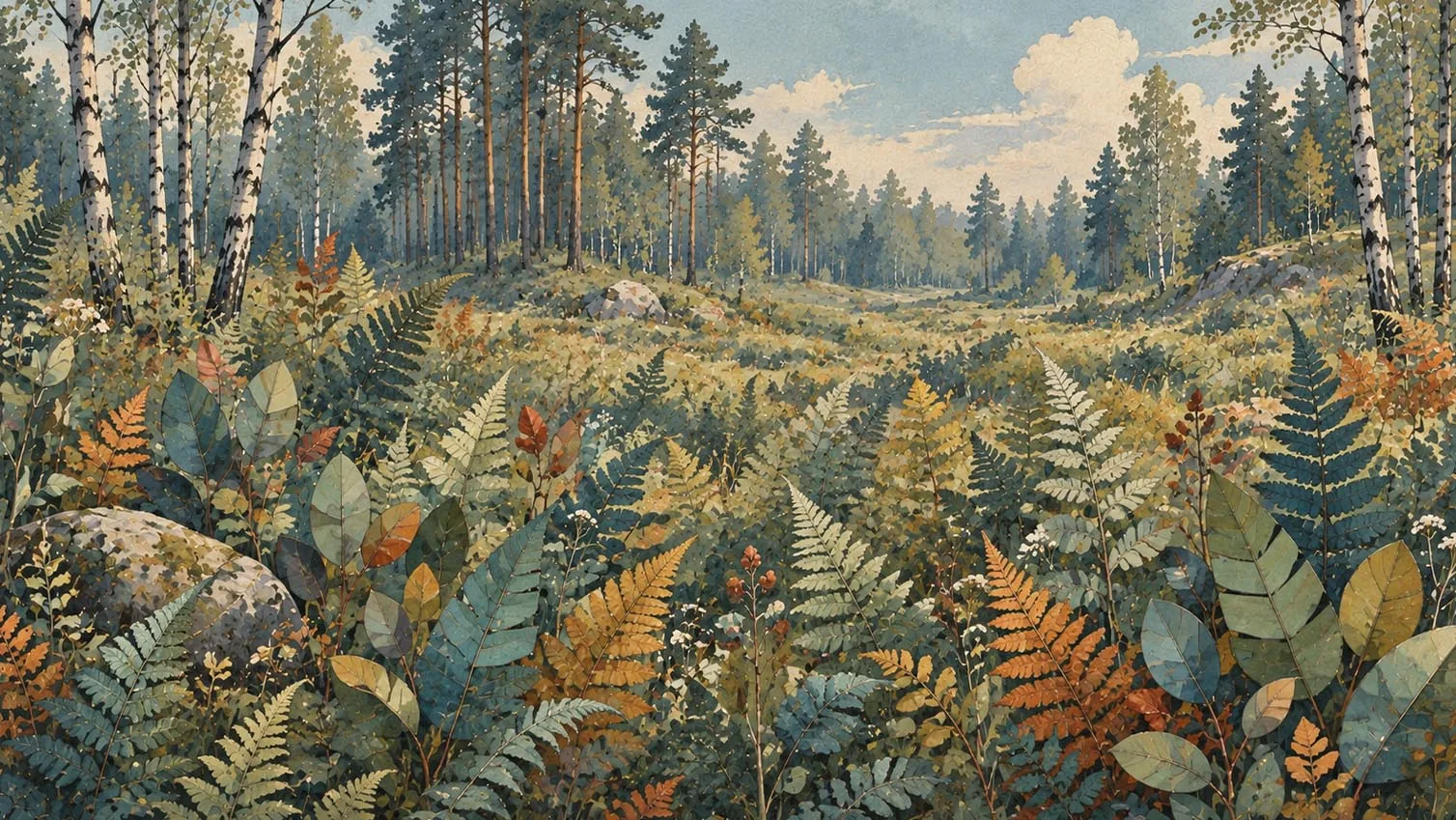
04 The world
Places / traces / fragmentsTowns, workshops, roads, factories, forests, railway stations and places that exist only after reality begins to shift.
05 The propaganda archive
Posters, slogans and public images follow Jan through changing regimes, selling progress, peace, work, culture and the future.


Their bright certainty collides with private memory and everyday absurdity — turning ideology into one of the film’s recurring visual characters.
Moving image study / an agricultural poster comes to life.
06 The people of BALLADA
A human world populated by lovers, workers, dreamers, bureaucrats, thieves, directors, mechanics, strangers and witnesses.
Mechanic / Motorcycle Rider

Performer / Jan’s Lover

Jan’s Mysterious Ancestor

Showman / Inventor


07 Music & sound
Music is conceived as a narrative layer of the film, carrying historical time, memory and myth.
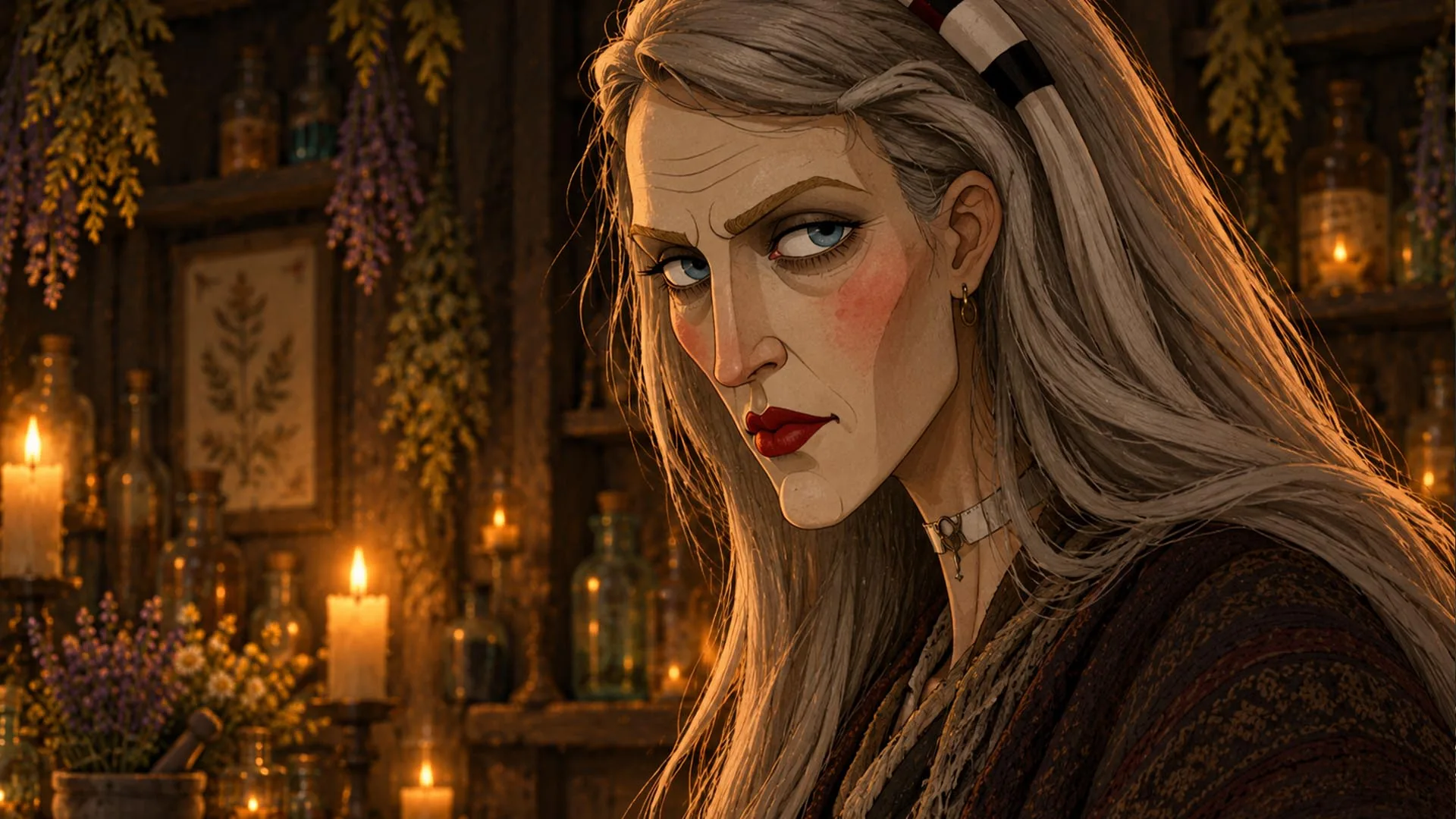
A song from another order of reality.
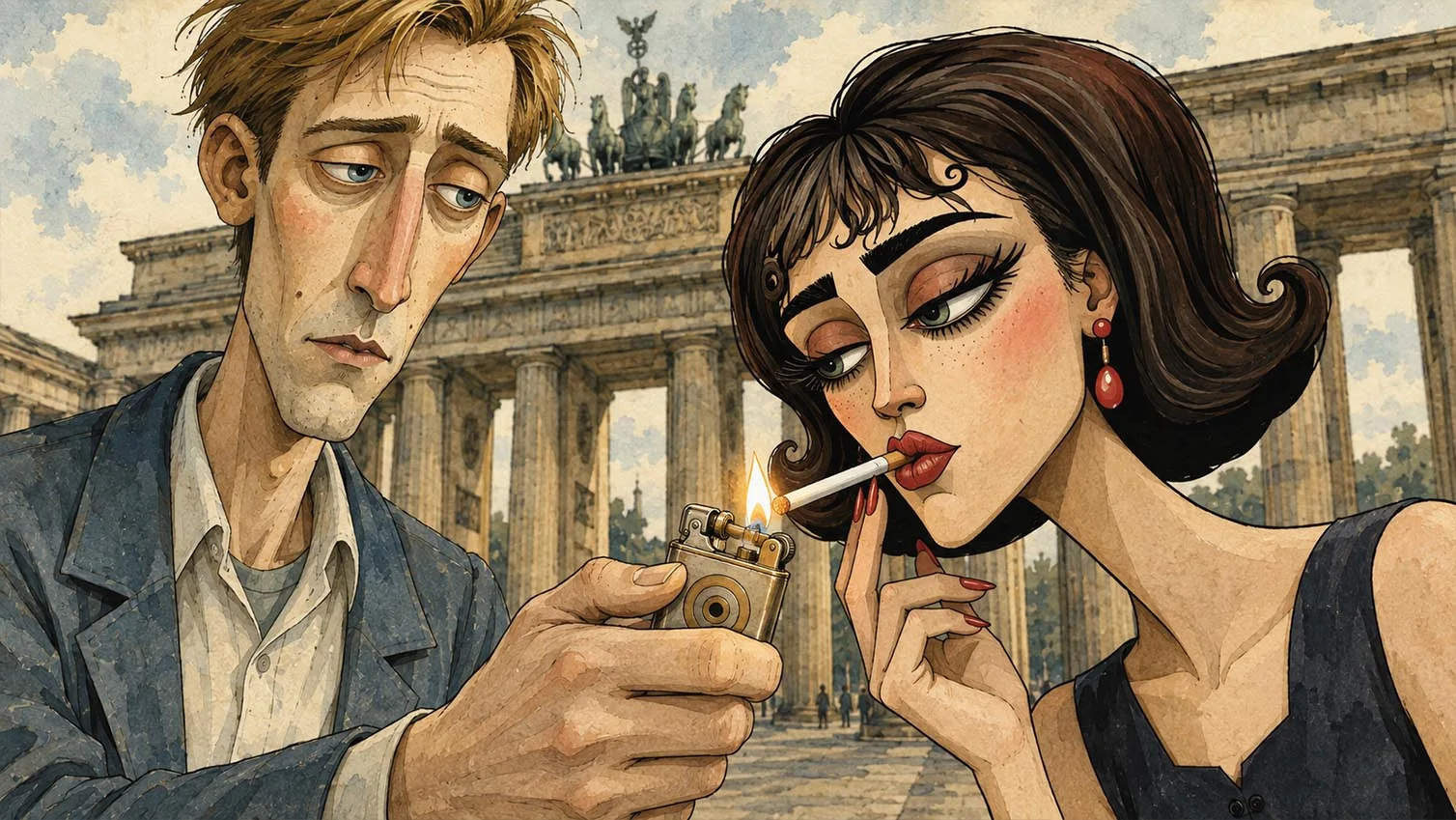
A song shaped by the atmosphere of its historical moment.
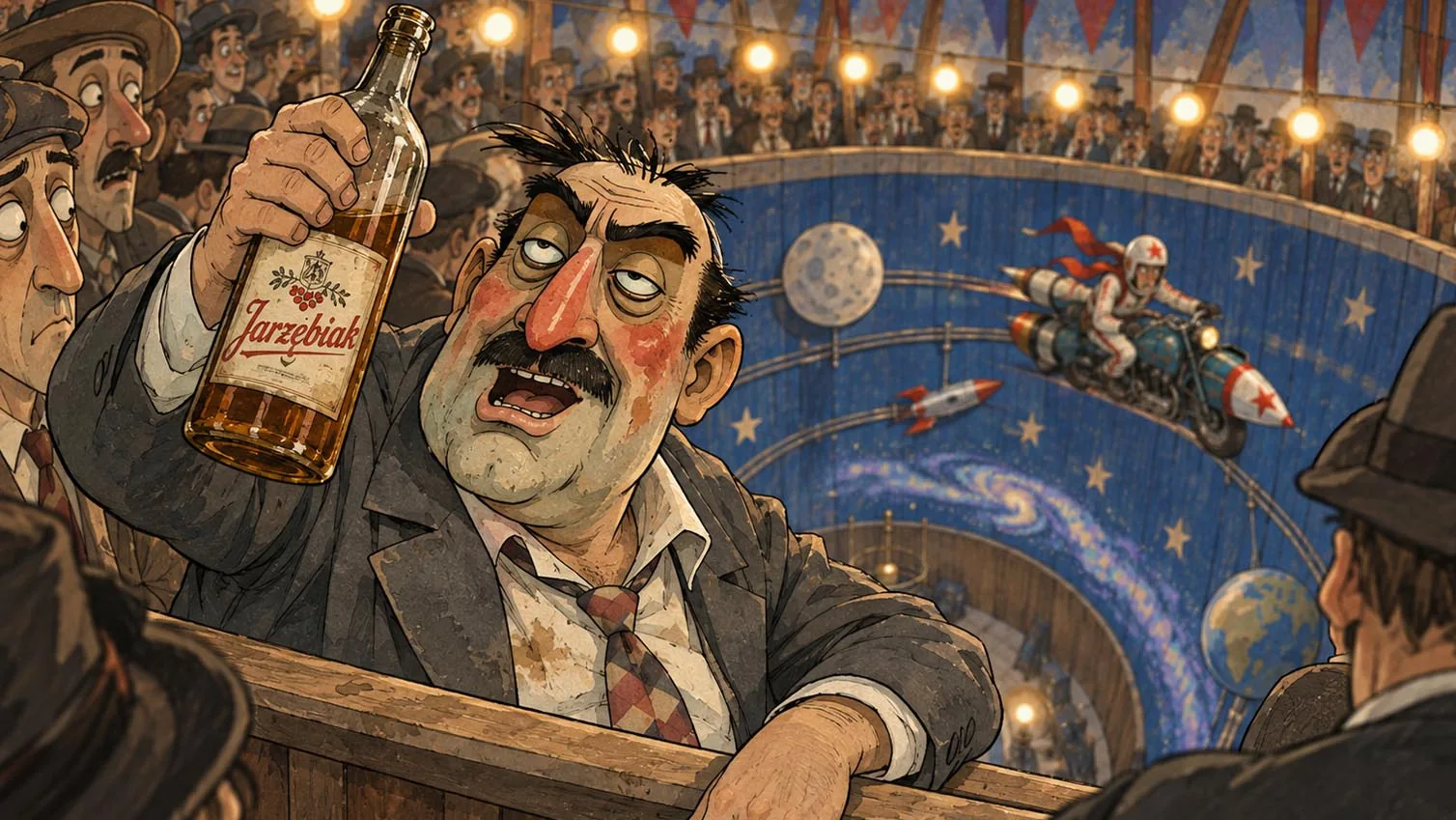
Experimental electronic sound and cosmic unease.
Three passages into the film’s sound world. Select a track to listen.
08 Visual language

Selective, irregular and expressive.

Watercolour fields and uneven colour.

Paper and physical traces remain visible.

Grotesque anatomy and controlled asymmetry.
Narrative Structure
Motif → Return → Echo → Fracture → Zoom → Return
BALLADA is built through recurrence. Images, sounds, gestures and objects return across decades, but each repetition changes their meaning. Memory does not repeat history faithfully — it transforms it.
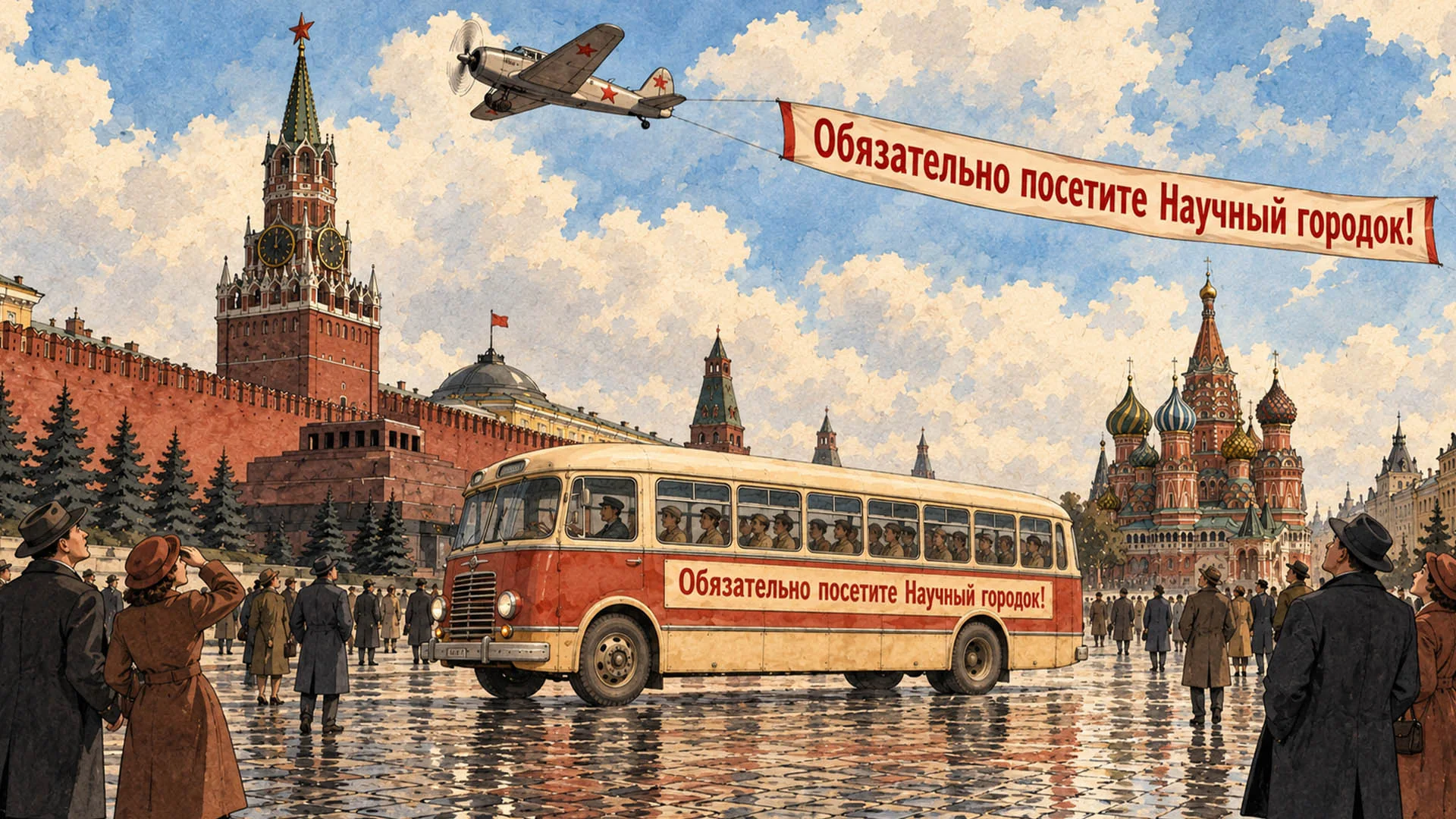
Scenes are shaped by visual and musical time.
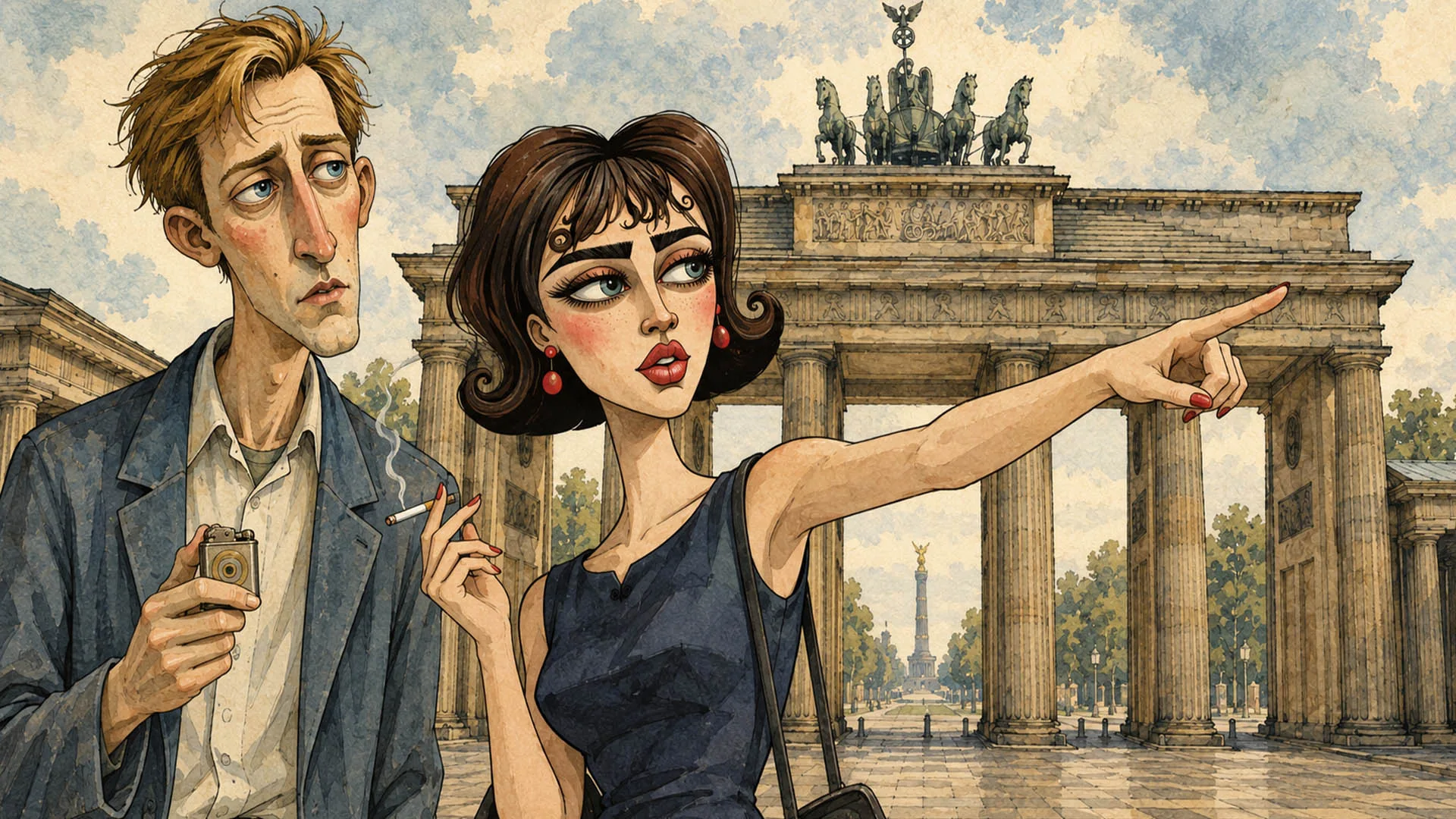
Space becomes part of character and narration.
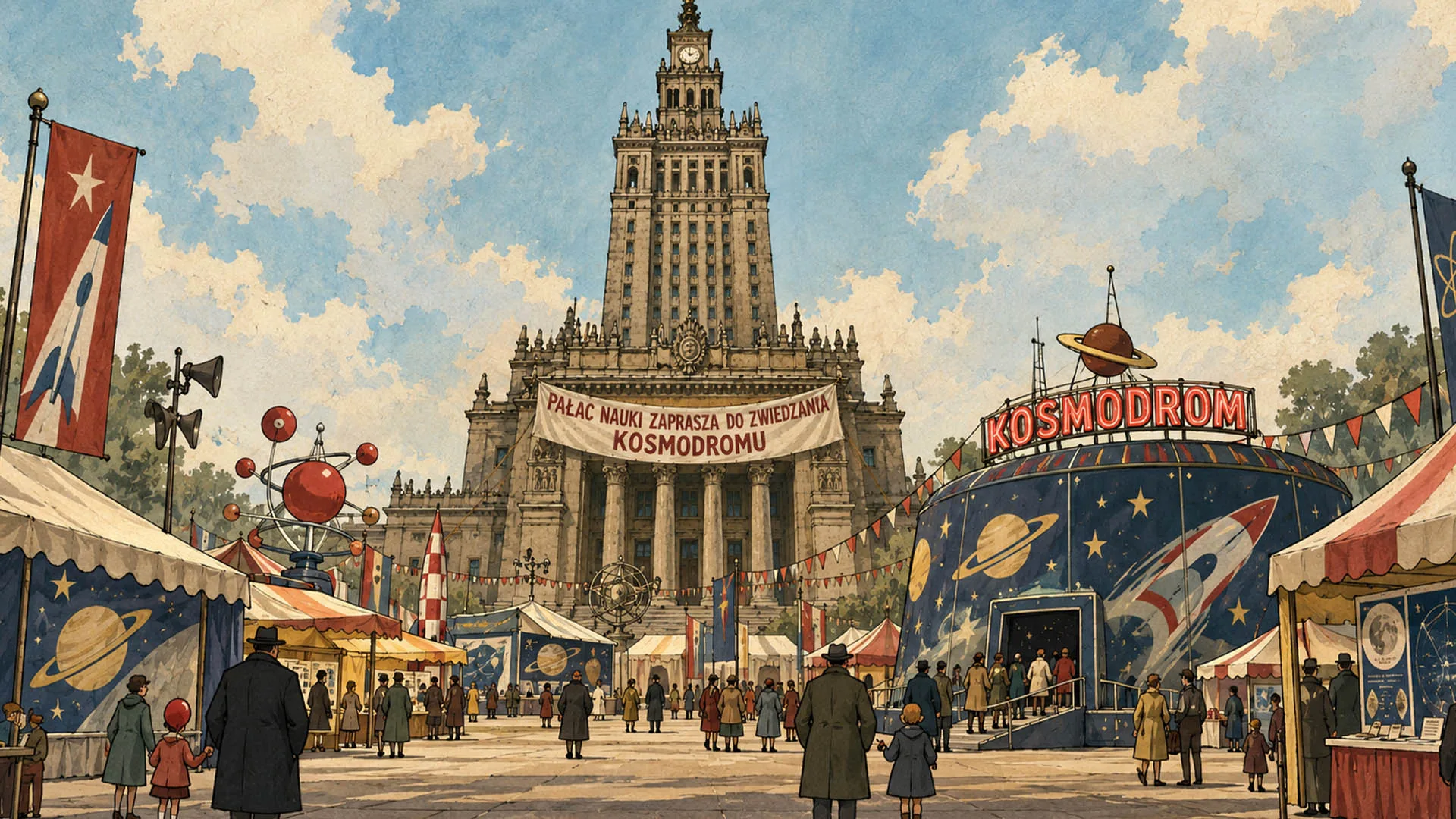
Reality can shift into memory, myth or absurdity.
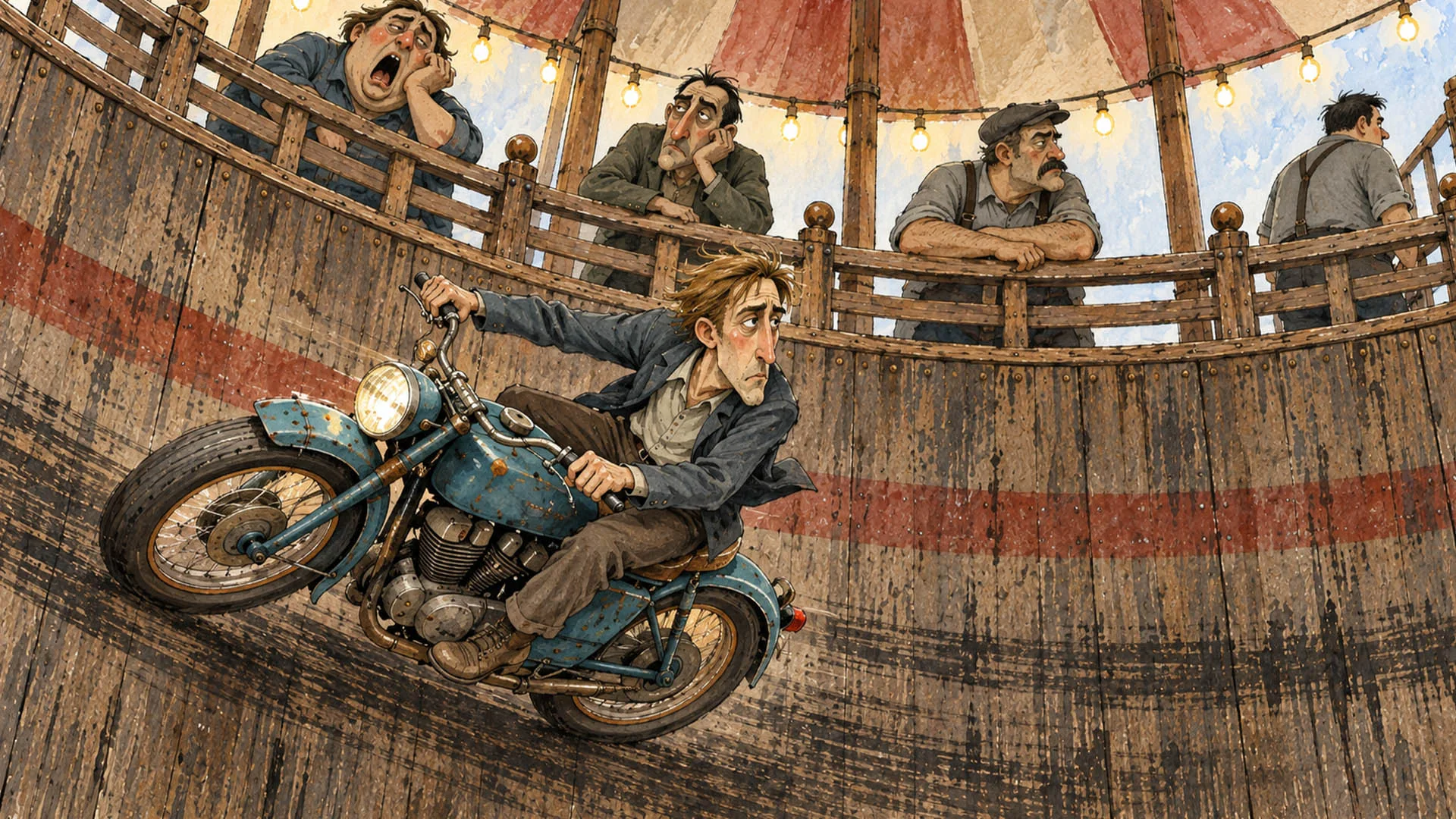
Meaning often appears before it is explained.
09 Director’s vision
History is real.
Memory is unreliable.
Myth may be more truthful than either.
Dorota Grolewska / Director

I do not want to reconstruct history. I want to enter it through one human life.
BALLADA is built around a simple conviction: history does not happen to nations, systems or dates. It happens to individual people. It enters their homes, changes their names, rearranges their identities, distorts their memories and leaves traces that remain long after political systems disappear.
I grew up in Western Pomerania — in a landscape where history never felt completely finished. German houses, Polish families, post-war migrations, forgotten cemeteries, changed street names and local stories exist there side by side. The past is not hidden. It remains physically present in the landscape, even when nobody speaks about it.
This is where BALLADA begins for me.
Jan Kłos is not intended to represent a generation, a nation or a political position. He is one ordinary man whose life repeatedly collides with extraordinary historical forces. He is born Hans Kloss. History later makes him Jan Kłos. Another system eventually turns him into Jan Los. Each name is real at the moment in which he carries it, yet none of them completely explains who he is.
I am interested in that unstable space between identity and the identities imposed upon us by history. A border changes. A government changes. A language changes. Yesterday's enemy becomes today's neighbour. A person who was German can suddenly be expected to become Polish. A celebrated hero can become a suspect. An official version of the past can disappear almost overnight and be replaced by another one.
BALLADA therefore refuses a clean division between historical drama, satire, memory and myth. I want these registers to coexist. Political absurdity can be funny and frightening in the same moment. A grotesque situation may reveal something more truthful than a realistic reconstruction. A private memory may contradict the official record and still carry an emotional truth that the record cannot contain.
Animation gives me the freedom to treat all of these realities as equally tangible.
A factory can remain a factory and, within a single movement, become a memory of an interrogation room. A motorcycle can be a machine, an instrument of escape, a stage prop, a rocket and finally something closer to a mythological creature. A provincial landscape can open into Hyperborea. The border between the historical and the impossible does not need to be announced — it can simply dissolve.
This is fundamental to the way I want to direct the film. I do not see the fantastic elements as interruptions of reality. They are another layer of it. Ingeborga, the Hyperborean songs, recurring signs, transformations and impossible events gradually reveal a second order beneath the visible world.
That order is never explained completely. I do not want BALLADA to become a system of symbols that the viewer is expected to decode. Mystery must remain mystery. The audience should be allowed to feel connections before understanding them — and sometimes never understand them rationally at all.
I am equally interested in the comedy of history. Great political systems present themselves as monumental, inevitable and permanent. From the perspective of an individual life, however, they can appear chaotic, theatrical and deeply absurd. BALLADA looks at the twentieth century from below: from workshops, village roads, bedrooms, amusement parks, railway platforms, bars and motorcycles.
The monumental is continually interrupted by the ordinary. Ideology collides with desire. Propaganda collides with human weakness. History collides with a broken engine that still needs to be repaired.
Jan is a mechanic, and this matters to me. He believes that things can be repaired. Machines make sense to him because every failure has a cause. Human history does not offer him the same comfort. The world around him repeatedly breaks, changes its rules and demands that he adapt. His instinct is nevertheless always the same: to look inside the mechanism and try to understand how it works.
The motorcycle becomes the physical extension of this character. It survives political systems, borders, relationships and identities. It gives Jan movement when history attempts to trap him. Again and again he escapes on it — sometimes literally, sometimes emotionally. It is one of the few objects in his life that seems to belong entirely to him.
My visual approach follows the same principle. I do not want a polished reconstruction of the twentieth century. I want a world that appears remembered rather than photographed: unstable lines, visible pigment, imperfect surfaces, missing details, exaggerated faces and selective fragments of reality.
The image should carry the vulnerability of memory. Some things are precise. Others disappear. Certain objects acquire an impossible importance, while entire environments may dissolve into colour, paper and gesture.
I want movement to preserve that handmade instability. Characters should not behave like perfect digital puppets. Their gestures can be economical, awkward, tender or grotesque. Stillness is as important as motion. A look, a pause, the sound of a machine or the rhythm of a motorcycle may carry more meaning than a large animated gesture.
Music works in the same way. It is not decoration placed behind the images. Songs and sounds belong to different layers of the film's reality. Some are historical. Some emerge from popular culture. Others appear to come from somewhere much older than history itself. The Hyperborean songs gradually become another form of narration — a language whose meaning is sensed before it is understood.
At the centre of all these layers remains one small human life.
Jan does not control history. He barely understands most of what happens around him. Yet his existence touches war, ideology, love, political violence, technological dreams, migration and myth. In that sense his provincial life is not peripheral at all. It contains the same forces that shaped an entire continent.
I want BALLADA to leave the viewer with affection for this fragile, imperfect man — but also with a slight uncertainty about everything they have just witnessed.
Was Jan carried by coincidence? By history? By his own decisions? By something Ingeborga understood from the beginning?
I do not want to answer that question. I want the film to leave it alive.
10 Development & production
In productionBALLADA is developed as an interconnected creative system. Story, visual language, movement, sound and production strategy evolve together, allowing artistic decisions to be tested, refined and progressively locked before full-scale animation.
01
02
03
04
05
Current project stage: In Production — Animation & Post-Production.
Production Approach
The production model is iterative by design. Each stage resolves a different layer of the film before the next one expands it: narrative structure, visual identity, performance, cinematic movement, timing and sound.
This approach allows BALLADA to preserve an experimental, handmade visual character while maintaining a structured and repeatable production process.
11 Key creative team
BALLADA is developed and produced by Resko Web Factory, bringing together directing, writing, animation, music and production within one integrated creative process.
12 Beyond the screen

Western Pomerania is not simply the setting of BALLADA. It is one of its protagonists.
The film grows from a region in which borders, languages, names and identities have repeatedly changed. German memory, post-war migration and contemporary Polish identity remain visible in the same landscape.
The questions explored through Jan Kłos therefore continue beyond the screen: who belongs to a place, how a place remembers, and what survives when official versions of history disappear.
Through the Magiczne Resko project, animation, local history, mythology, narrative tourism and regional education become part of the same creative practice.
Polskie Towarzystwo Turystyczno-Krajoznawcze
In September 2026, the creative practice from which BALLADA has emerged will be presented in Warsaw during the national PTTK conference devoted to regional education, identity and the social role of discovering and interpreting place.
Conference Presentation
A case study of the Magiczne Resko project.
Dorota Grolewska · Krzysztof Petelczyc
Magiczne Resko has developed over several years as a living narrative environment combining animation, local history, mythology, performance, education and digital forms.
BALLADA extends this practice into cinema. The film takes the same landscape of Western Pomerania — shaped by changing borders, German memory, post-war migration and contemporary Polish identity — and transforms it into a personal story spanning fifty years of European history.
For this reason, the regional dimension of BALLADA is not decorative background. It is part of the film's subject, its visual memory and its wider cultural life beyond the screen.
Film → Place → Memory → Identity → Education


